Heating System Leak Causing Ceiling Water Damage In Ealing
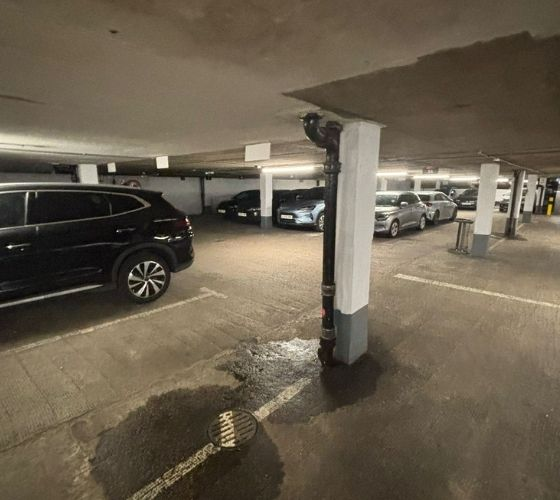
A property management company contacted Leak Detection 24/7 regarding recurring flooding within a basement car park. The flooding only occurred during periods of heavy rainfall.
Our Leak Investigation Process
A thermal imaging survey identified no anomalies associated with plumbing or heating pipework, indicating the issue was likely structural in nature.
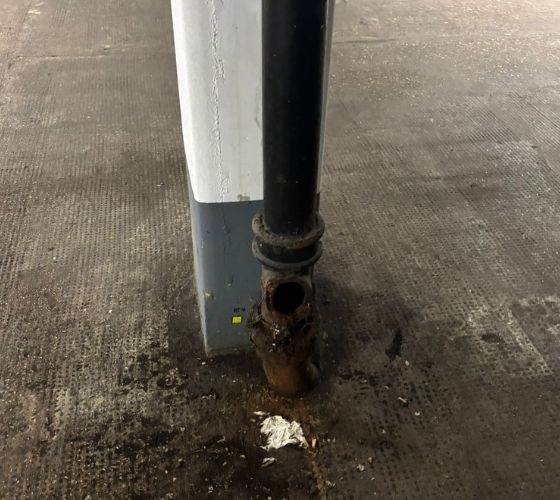
- Missing and defective inspection panels on downpipes
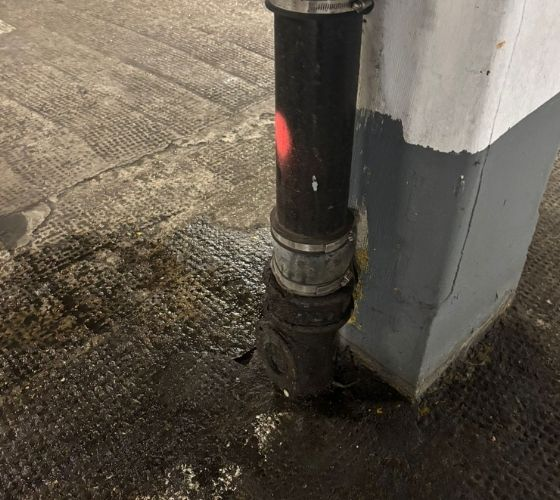
- Failed pipe clamps allowing water to escape from drainage pipework
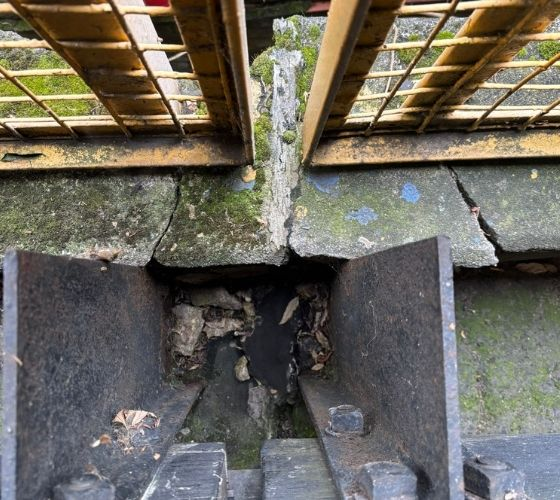
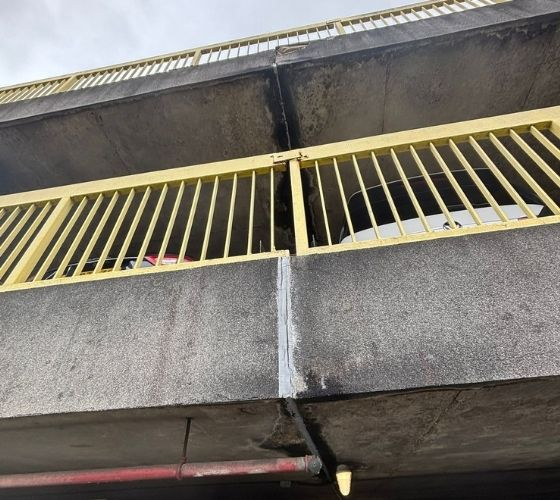
- Failed expansion join running through the centre of the car park structure
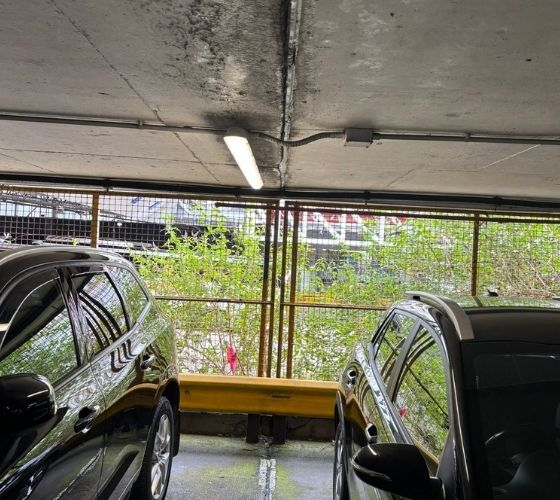
- Cracks along levels 1 & 2 allowing rainwater to penetrate the concrete
- Historic leakage was also evident on a second valve
A dye test was conducted within the drainage system. Purple dye was observed leaking from faulty basement inspection points, confirming water was escapaing from the drainage network.
Evidence of water tracking could be seen from the upper levels of the car park all the way down into the basement, where the flooding occurred.
FINDINGS
After taking the time to investigate the property we discovered the following:
- Flooding only occurred during heavy rainfall
- A failed expansion join allowed water to penetrate through multiple floors
- Cracked concrete permitting water ingress
- Missing and defective inspection panels leaking into basement
- Dye testing confirmed drainage defects
- No evidence of plumbing-related leaks
Outcome
After inspecting the property, our engineers recommended repairing and resealing the failed expansion joint. We also suggesting repairing the cracks on levels 1 & 2 and the failed pipe clamps. The defective inspection panels needed to either be repaired or replaced. Finally further water tests were advised after the repairs were completed to confirm the structure is fully water tight.
This investigation confirmed that the flooding was caused by structural water ingress, rather than a hidden water pipe leak.